
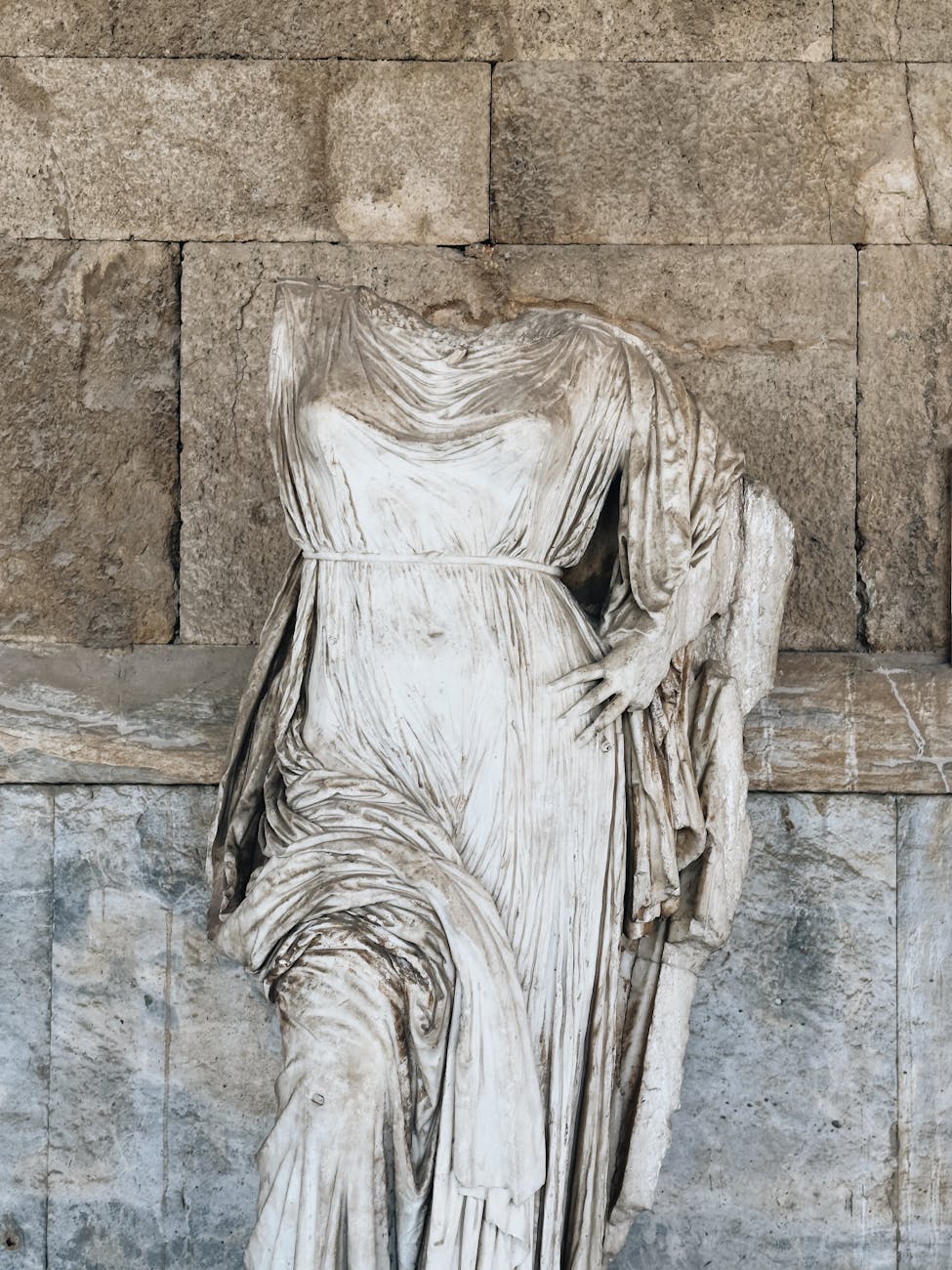
Romania (whose name itself comes from “Rome”) was once home to the Roman province of Dacia. Today, you can visit ancient ruins, thermal baths, and fortresses that have stood for nearly two millennia.
1. Ulpia Traiana Sarmizegetusa (Hunedoara County)
- What it is: The former capital of Roman Dacia, founded by Emperor Trajan after his victory over the Dacians.
- Why visit: You can walk through the ruins of the Forum, the amphitheater (which is still used for reenactments), the temples, and the gladiator school. It’s an atmospheric site surrounded by mountains, offering a glimpse into imperial life.
2. Roșia Montană / Alburnus Maior (Alba County)
- What it is: The oldest documented mining settlement in Romania, famous for its Roman gold galleries.
- Why visit: You can descend into the Roman galleries—trapezoidal tunnels carved by hand nearly 2,000 years ago to extract gold. It is a UNESCO World Heritage site and a unique chance to see ancient engineering underground.
3. Drobeta-Turnu Severin (Mehedinți County)
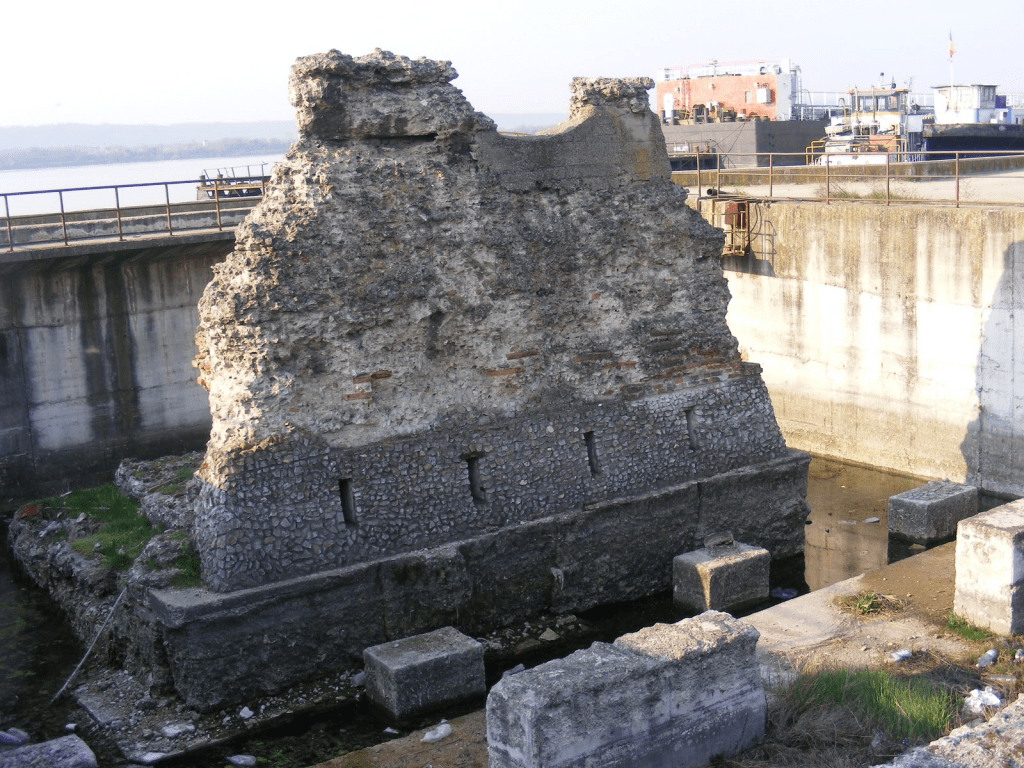
- What it is: The site of the famous Trajan’s Bridge, built by the architect Apollodorus of Damascus to allow Roman troops to cross the Danube.
- Why visit: Although only a few pillars of the bridge remain (on both the Romanian and Serbian sides), the Museum of the Iron Gates region is excellent. You can see the ruins of the Castrum Drobeta and imagine the colossal scale of the ancient bridge, which was considered a wonder of the world at the time.
4. Geoagiu-Băi / Germisara (Hunedoara County)
- What it is: An ancient Roman thermal spa resort.
- Why visit: The Romans loved their baths, and “Germisara” was a luxury retreat. Today, you can see the original Roman pools carved into the rock, the network of channels, and the dedicated altars to deities of health. The modern resort still uses the same thermal waters.
5. Porolissum (Sălaj County)
- What it is: One of the most important defensive forts on the northern frontier of the Roman Empire (the Limes).
- Why visit: The Porta Praetoria (the main gate) has been impressively reconstructed, giving you a real sense of the scale of Roman fortifications. The site offers a panoramic view of the hills, showing exactly why the Romans chose this strategic spot to watch for barbarian invasions.
6. Alba Iulia / Apulum (Alba County)
- What it is: The base of the 13th Gemina Legion, the only legion stationed in Dacia throughout the entire Roman occupation.
- Why visit: While Alba Iulia is famous for its Vauban citadel (18th century), the Roman ruins are preserved beneath and within it. You can visit the Principia Museum (the command center of the legion) and see portions of the original Roman walls and gates incorporated into the city’s structure.
7. Adamclisi / Tropaeum Traiani (Constanța County)
- What it is: A massive triumphal monument built to commemorate the Roman victory over the Dacians in 102 AD.
- Why visit: The monument you see today is a reconstruction, but it is imposing and grand, dominating the flat landscape of Dobrogea. The nearby museum houses the original metopes (stone carvings) depicting battle scenes, which are crucial for understanding the history of the Daco-Roman wars.
8. Histria (Constanța County)
- What it is: The oldest city on Romanian territory, originally a Greek colony that later became a flourishing Roman city.
- Why visit: Located on the shores of Lake Sinoe (formerly a bay of the Black Sea), Histria is a sprawling archaeological park. You can explore the ruins of Roman baths, basilicas, and paved streets while enjoying a wild, natural coastal setting.
9. Turda / Potaissa (Cluj County)
- What it is: The fortress of the 5th Macedonica Legion.
- Why visit: Famous today for the massive Salt Mine, Turda also houses the ruins of the Potaissa Castrum. The Principia (command building) here is one of the largest discovered in Dacia. It offers a great mix of military history and local heritage.
10. Micia (Hunedoara County)
- What it is: A sprawling pagus (rural district) and military camp near the Mureș River, often overshadowed by larger sites.
- Why visit: It is a hidden gem for history buffs. Excavations have revealed a small amphitheater, thermal baths, and a temple of the Moors (auxiliary troops stationed there), showing the multicultural nature of the Roman Empire. And there is still more to discover.
Sources used: https://adevarul.ro/stil-de-viata/calatorii/zece-locuri-din-romania-care-au-pastrat-mostenirea-2456386.html

 Dracula's Guide to Romania
Leave a comment